The Art of Doing Nothing: Why Shavasana is the Most Important Yoga Pose You’ll Ever Practice
Namaste, friends. Hello to one of our slack spots on the net.
You have just entered a yoga studio; be it a contemporary studio in New York or an ashram here in the center of Rishikesh, you are aware of that moment at the end of the practice. You have sweated your sun salutations, have found your balance in Tree Pose, and have stretched yourself. Then the teacher utters these magic words: “And now, dear ones, lie down for Shavasana.
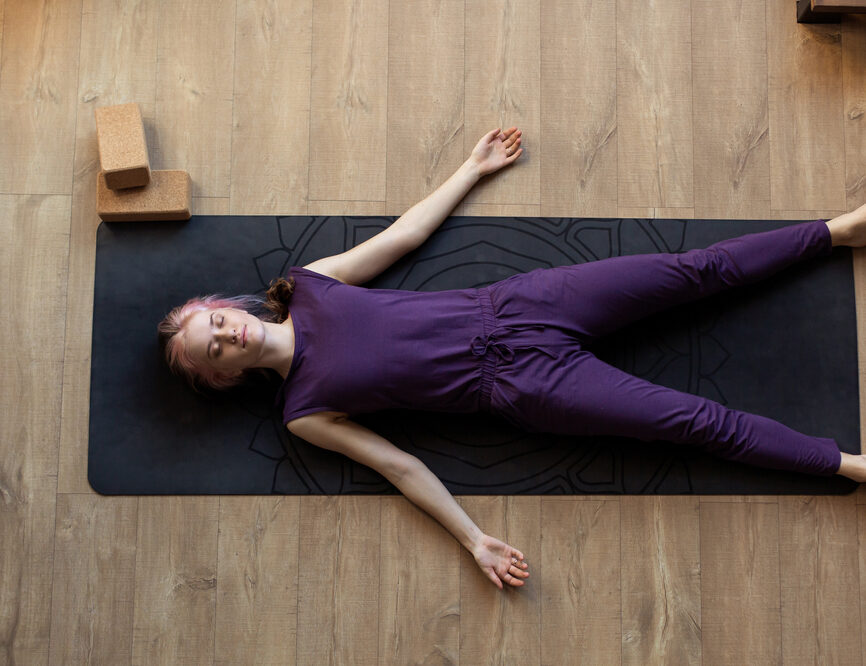
There is a general sigh of relief. However, the trick here is that Shavasana, or Corpse Pose, is not the nap time at the conclusion of the workout. It is arguably the most vital section of your practice in general.
In this guide we are going to explore the true nature of Shavasana, how to perform it, and why it is the secret to a balanced life.
What is Shavasana? More than just lying down
To understand what Shavasana is, we have to look at the name. Shava in Sanskrit is translated as “corpse,” and “asana” is translated as “pose” or “seat.”
We understand that Corpse Pose is somewhat morbid! However, on the yoga plane, it represents a death of the old you, the stress of the day, the ego, and the physical strains, to be born into a new state of peace. It is a gesture of complete immobility.
Although it appears that you are simply relaxing on your mat, Shavasana is a dynamic consciousness. You are holding the mind in suspension and letting the body fall into a deep sleep. It is the supreme practice of relaxation and mindfulness.
What benefit does Rishikesh do in Savasana?
In this Rishikesh, the Yoga Capital of the World, we see Shavasana as the transition point between the physical world and the spiritual world. Shavasana is an ultimate experience of the essence of existence when the Ganges is flowing next to you and the Himalayan wind is touching your skin.
Why is Shavasana Necessary? The Science of Stillness
Also Read: Breathe Easy, Live Better: The Power of Pranayama
You may feel like rolling out your mat and going to bed after you are finished with the hard work. Please, don’t! This is why Shavasana is the key to your physical and mental health:
1. It Relaxes the Nervous System
The sympathetic nervous system has us in the fight-or-flight state (constantly) in our modern lives. Shavasana switches the switch to rest and digest (parasympathetic nervous system). This will assist in reducing your blood pressure and heart rate.
2. Integration of the Practice
Imagine Shavasana as a file that you are saving on the computer. Your body has just been moving a lot. This position enables the information of your yoga practice to get incorporated into your nervous system and muscle memory.
3. Stress and Anxiety Relief
You are training your brain by concentrating on your breath and releasing muscle tension to deal with stress. Shavasana is an effective way of dealing with anxiety and depression.
4. Better Concentration and Recollection
A real break with the senses to your brain leaves you in a state of mental clarity. It is a kind of hitting the reset button of your mental RAM.
Ancient Yoga: How to Do Shavasana
It does not please to sound difficult, does it? Just lie down. However, there should be purpose in Shavasana. This is how to achieve your ideal stillness.
Step 1: Get Comfortable
Lay down on the back. In the case of having a sore back at the lower part, roll up a blanket under your knees.
Step 2: Hands and Feet in Order.
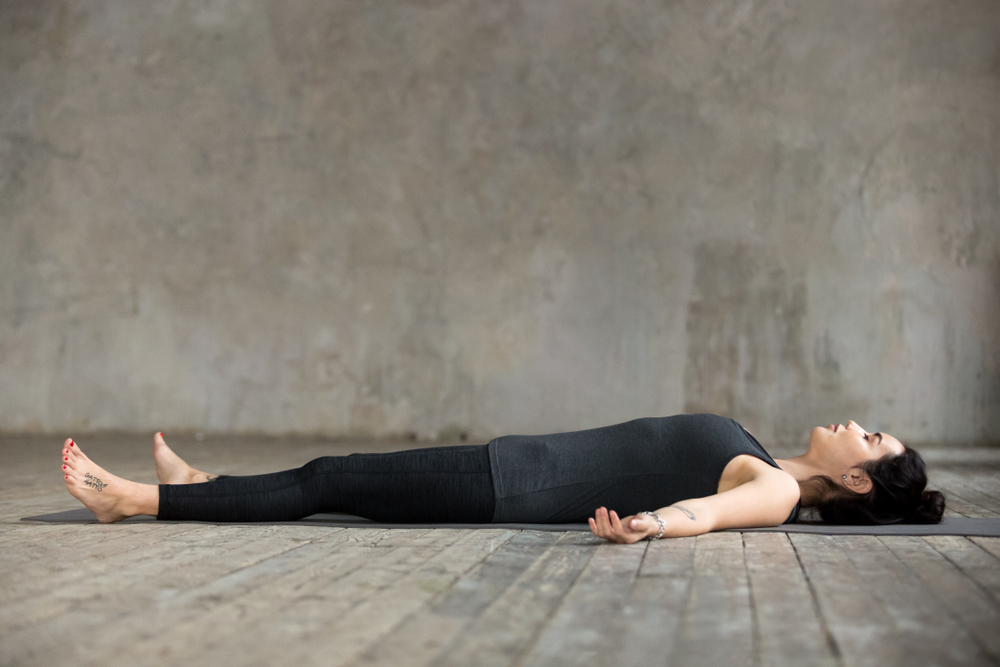
- Legs: Fall open, farther than hip distance.
- Arms: Rest them against your sides with the palms up. This is a gesture of openness and receiving.
- Shoulders: Lift your shoulder blades a little bit under the chest to open the chest.
Step 3: Scan Your Body
Close your eyes. Begin with your toes and go to your crown. Melt every part of your body consciously. Relax your jaw (there is so much tension in your jaw!), loosen your tongue, and have your eyes close their holes.
Step 4: The Breath
Do not make yourself stop breathing. Allow it to grow superficial and organic. Imagine this: your body is sinking; you are sinking into the floor.
Step 5: The Mind
Thoughts will come. That’s okay! Don’t fight them. Suppose your thoughts were as clouds in the sky. You are only the spectator, as they pass by without making any connection with them.
What are the barriers in Shavasana?

Also Read: Mantras and Chanting in Yoga: A Deep Dive
Stillness is, in fact, one of the most difficult things for human beings. The following are some of the things that you may come across:
- The monkey mind: Your brain has begun a shopping list. As this occurs, you should redirect your attention to the feeling of your breath at the end of your nose.
- Falling Asleep: Although a nap is pleasant, the purpose of Shavasana is conscious relaxation. Should you find yourself snoring, then attempt to be more attentive to the sound of the room or your breathing the next time.
- Physical Fidgeting: You should be aware of itching. Look whether you can allow it to pass. This develops unbelievable mental discipline.
Rishikesh: Yoga Spiritual Significance
Shavasana is also highly honored in case you ever visit us in Rishikesh on a yoga retreat. The Vedic tradition considers it in stillness that we encounter our true selves.
By lying in Shavasana when you have done a hard Hatha or Ashtanga flow, you are depriving yourself of the doing and going back to the being. When it is quiet, you know that you are not your job, your worries, or even your physical body. You are the still consciousness of it all.
Shavasana Quick Reference Table
| Benefit Category | Impact on the Body/Mind |
| Physical | Reduces cortisol, lowers blood pressure, eases muscle tension. |
| Mental | Enhances concentration, reduces brain fog, promotes emotional stability. |
| Spiritual | Connects the practitioner to the “Inner Self” and the present moment. |
| Energetic | Balances the Chakras and allows Prana (energy) to flow freely. |
Reasons Why You Can’t Afford to Miss
At Maa Shakti Yog, we believe rest is not a reward—it is part of the practice itself. Shavasana is a radical self-love in a world that values the culture of hustling and constant activity. It informs the world–and yourself–that you deserve to rest.
Yoga is not touching your toes; this is what you learn on the way down.
And the most significant thing you know is how to forget, you know. The final practice of letting go is called Shavasana.
Tips to do savasana at home
- Wear a Sleep Mask: The darkness prevents the light that sends information to the brain to tell the brain that it is time to sleep.
- Temperature Control: When you are not moving, your body temperature is lower. Have a light blanket close at hand.
- Use a timer: When you are alone, you may have a soft alarm clock to set at five or ten minutes to make sure that you do not check your clock.
Final Thoughts
The next time you are done with a workout or yoga flow, do not feel the temptation to jump up and check your phone. Get yourself those five minutes of corpse pose. Your soul, your mind, and your heart will be grateful.
You can be practicing in a major city or gazing over the grand mountains of Rishikesh, but you must never forget that the calmness that you feel in Shavasana is ever within you. You only need to be quiet enough to get that.
Are you willing to go further in practice? In case you have been feeling overwhelmed, we would like to ask you to attempt a 10-minute Shavasana today. Just lie down and breathe and be held by the earth. Doing nothing can really make a difference in your life, as you may have guessed.
Namaste.