Mobility vs Flexibility: What Yoga Practitioners Should Know
You’ll hear both of these words in any yoga class you join. “I’d like more flexibility.” “My hips feel tight; I need to improve my mobility.” Many students took them to be synonymous. They do not, and knowing the difference may transform the way you practice, protect your joints, and move on and off the mat.
One after another students come and go here at the Rishikesh yoga community, who are able to split deeply but are at ease in standing poses. We also see students who feel confident but don’t feel comfortable in Sukhasana. Both are missing one part of the jigsaw. Let’s get it clear, folks, in simple terms.
What is flexibility in yoga?
Flexibility is the ability of a muscle (or multiple muscles) to passively extend. Imagine the length of tissue you have when you’re not using it!
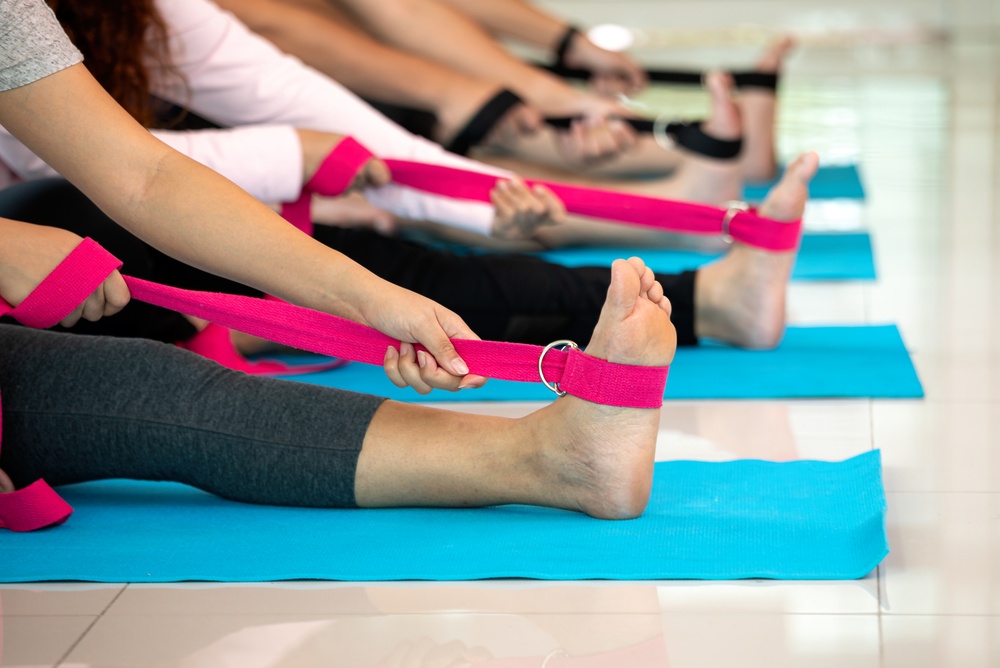
Flexibility is when you sit in a seated forward fold and allow your seat and/or hands to pull you in deeper. An outside force (floor, strap, teacher’s light touch, or arms) is lengthening your hamstrings.
The ability to be flexible is referred to as “passive range of motion. You aren’t creating that range on your own. It is simply an area where you can go.
Yoga offers flexibility in the following ways:
- Sitting in deep-seated Paschimottanasana (seated forward bend)
- Allowing your thighs to relax in Upavistha Konasana (wide-legged forward fold)
- Sitting in a supported Hanumanasana (splits) with blocks under you
What is mobility in yoga?
Mobility is the capacity to move a joint by means of movements that allow for full room with control. Flexible, strong, balanced, and coordinated.
Flexibility is the length you have, and mobility is the length you can use and control.
Try to raise your leg with knee bent in front of you, as high as you can without using your hands. When you’re engaged in that lift, it’s mobility. Your hip flexors must contract, your hamstrings must lengthen, and your core must stabilize your pelvis simultaneously.
To have your nervous system trust a range of motion, mobility requires you to call on your system. That’s why it can sometimes be more challenging than just stretching.
Mobility vs Flexibility: What’s the difference?
Let’s take the two and compare them and see what the difference is.
- Flexibility is passive. It is related to the length of muscles. Can be accessed with external assistance. It’s tedious.
- Mobility is active. It is the control of joints. It takes power and consciousness. It seems like moving on a stable surface.
One good example is to bend forward and put your hands flat on the ground (flexibility). If you can’t get your leg up to that same level on your own or can’t squat as deep as you’d like without your heels coming up, your mobility can improve.
This is the crux of the mobility/flexibility discussion. Without the other, you could be stuck or even injured.
Why Flexibility Without Mobility Can Be Risky
Also Read: How Long Should a Yoga Session Be? The Honest Truth
Unfortunately, many yoga enthusiasts, particularly those who bend easily, end up with what we call the “flexibility trap. Unfortunately, many yoga lovers, particularly those who bend easily naturally, fall into what we call the “flexibility trap.” Their bodies can assume deep shapes, but their muscles are not sufficiently strong to protect the joints in these shapes.
This can lead to:
- Overstretched ligaments, particularly the hips, shoulders, and lower back
- Joints that are hypermobile or feel wobbly.
- Strain on the hamstring attachment to the sitting bones at the base of the spine.
- Persistent or inapparent after-practice pain.
This is a helpful soft reminder from the body to not hold poses for too long if you feel “hanging” in the joints. It’s not asking for more depth; it’s asking for more strength and control.
Why Mobility Without Flexibility Can Feel Limiting
It is also possible to have an opposite statement. Some students have tight tissues and are strong and athletic. They are able to move around on their own but can easily get lost.
This might show up as:
- Having trouble maintaining an upright body when sitting cross-legged.
- Rounded shoulders in Downward Dog
- Inability to reach arms up to the sky in Urdhva Hastasana
- In Padmasana, if the hips are not open enough, then there is pain in the knees.
By patiently and consistently stretching these muscles, they will slowly be lengthened and gain some mobility.
How Yoga Builds Both Mobility and Flexibility
The wonderful thing about yoga is that it can train both qualities when practiced with awareness. Here is how.
Yin and Restorative Practice for Flexibility
In poses such as Dragon, Butterfly, and Supported Child’s Pose, the long, quiet holds encourage connective tissue and muscles to release slowly. These are typically held for 3 – 5 minutes, with gentle breathing. The important thing to remember is to not press and not force.
Active Poses for Mobility
This is a different way to perform the poses to engage the muscles and improve mobility.
Use one’s own strength to develop control at the end of the range of movement for poses in which one is standing. Warrior II, Chair Pose, Utkatasana with a deep squat, and Navasana all engage the muscles without supporting the joints.
Slow Transitions for Joint Control
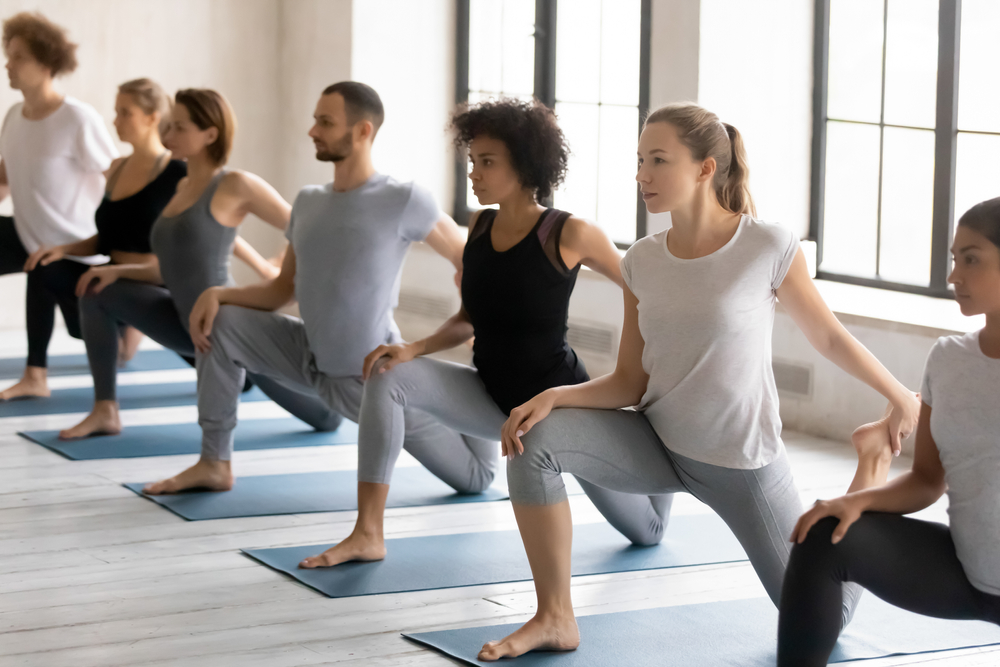
Slow transitions between poses, like moving from the low lunge into the half splits, help your body become familiar with the space it’s given. A fast vinyasa will conceal flaws. If you just take a step back, you will see them.
Pranayama and breath for the nervous system’s calm
The extent to which you feel the effects of your body is up to your nervous system. It tightens its muscles to protect you when it feels threat and tension. Breathe slowly and deeply, particularly long exhales, to let the body know it’s safe to open. That’s why pranayama is one of the quieter but more effective methods to enhance range of motion.
Yoga Practitioners’ Mobility Exercises
Also Read: Yoga vs. Exercise: What’s the Real Difference? (And Why It Matters)
Some simple movements that we love to share. They can be included as a warm-up prior to your asana practice or as a standalone activity during a rest day.
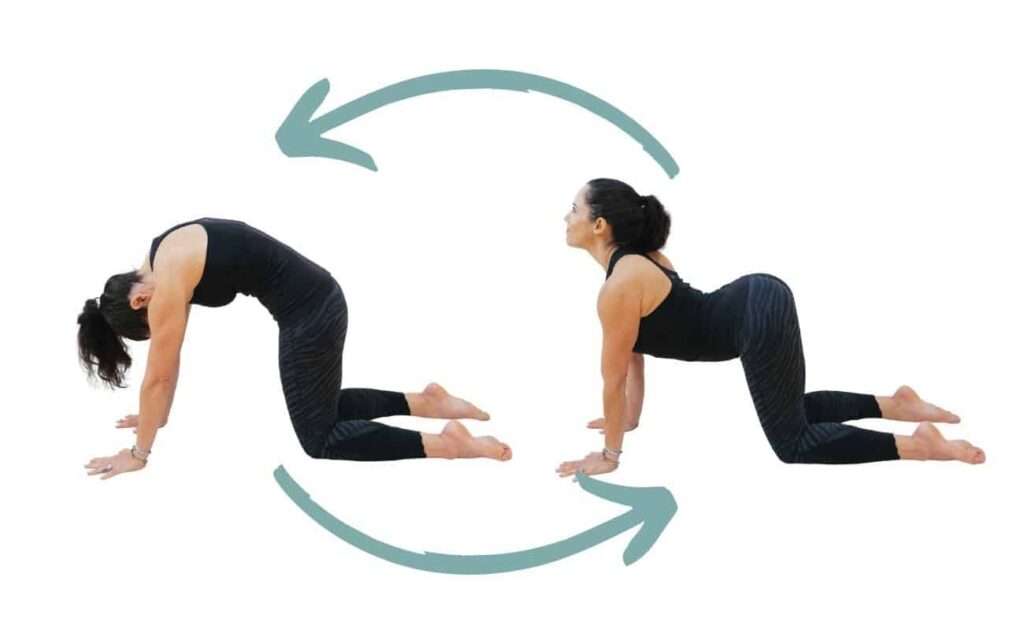
- Cat-Cow with intention. Slowly bend through each vertebra rather than bending and arching. This enhances spinal flexibility and awareness.
- Hip circles in tabletop. Slow and wide circles with one knee, with a steady pelvis. This allows the hip joint to move through its full range of motion.
- Active deep squat (Malasana): Sit as if you are going to sit down, then push your elbows into your knees and raise your chest. Pay attention to the way your hip, ankle, and back work together.
- Shoulder controlled articular rotations. Rotate your arm as large a circle as possible in a slow motion, without moving your body. A great exercise to increase shoulder mobility in poses such as Chaturanga and Downward Dog.
- Thread the Needle with a pause. Pause at the end range for several breaths and slowly activate the muscles of the shoulder blade.
Flexibility Stretches That Support Your Practice
To be flexible, select a few crucial stretches and allow time for them.
- Supported forward folds with a bolster under knees if back rounds, for hamstrings.
- Low lunge with a block for tight hip flexors.
- Outer hip tightness: Reclined pigeon (Supta Kapotasana).
- Tight shoulder wall chest opener!
Each for 1-2 minutes, take slow breaths, and stop if a sharp and pinching sensation occurs. A good stretch is not painful, but it feels like it is stretching.
Common Errors Students Make
The same things always happen after years of teaching.
- Going for depth rather than quality. Deeper is not necessarily better. A smaller and controlled movement leads to more permanent progress.
- Stretching cold muscles. Warm up with gentle movement first to ensure tissues are ready.
- Ignoring strength training. Yoga is also a strength exercise. Leaning poses such as plank, boat, and warrior poses are key to promoting flexibility in joints.
- Making comparisons with others. There are variations among people in bones, length of ligaments, and genetics. A hip socket might simply not allow you to perform what seems like an easy action for a different person, and that’s okay.
- Skipping rest. In recovery, muscles and connective tissue adapt during practice, too.
How Many Times a Week to Work on Mobility and Flexibility?
For the majority of practitioners a weekly balanced approach is ideal:
- 2-3 days of active, strength-based mobility asana
- 1-2 days of gentle, deep stretching/yin for flexibility
- A few minutes of Pranayama and Meditation every day
- One complete rest/restful day
It is more important to be consistent than intense. 10 minutes per day of mindfulness practice can be more powerful than one intense session per week.
Who is most likely to benefit from knowing this difference?
With almost everyone, particularly:
- Yoga enthusiasts who think that it is just about touching their toes are welcome to take advantage of this benefit.
- Students who are naturally flexible require strength and stability.
- Desk workers whose hips and shoulders lack range and control
- Students in training who need to be guided safely,
- Anyone who has been injured and wants to gradually build confidence through gentle and controlled movement.
For yoga students looking to deepen their understanding of movement, studying alignment, anatomy, and asana principles can provide a more structured perspective on the relationship between mobility and flexibility. These subjects also form part of the broader learning journey associated with yoga education at Maa Shakti Yog.
A Gentle Way to Think About It
This is a picture that we see frequently in class. Imagine a door. The term “flexibility” refers to how far the door is able to open. It’s the swimmingly strong hinge that allows you to swing it open and shut easily. A wide door on a weak hinge will sag. On a doorknob that’s stuck, a strong hinge will not travel far. You need both.
They will help you to make your practice safer, more steady, and more joyful when you practice them together. In the place of a performance, you begin to feel positioned in front of your body as if you were having a conversation with it.
Wrap-up: Create a Work Practice for Life.
It’s not the more rules thing when it comes to understanding the difference between mobility and flexibility. It’s about hearing more intently. If you have clear, positive direction for your body, which includes length, strength, or control, you can confidently and kindly select your poses.