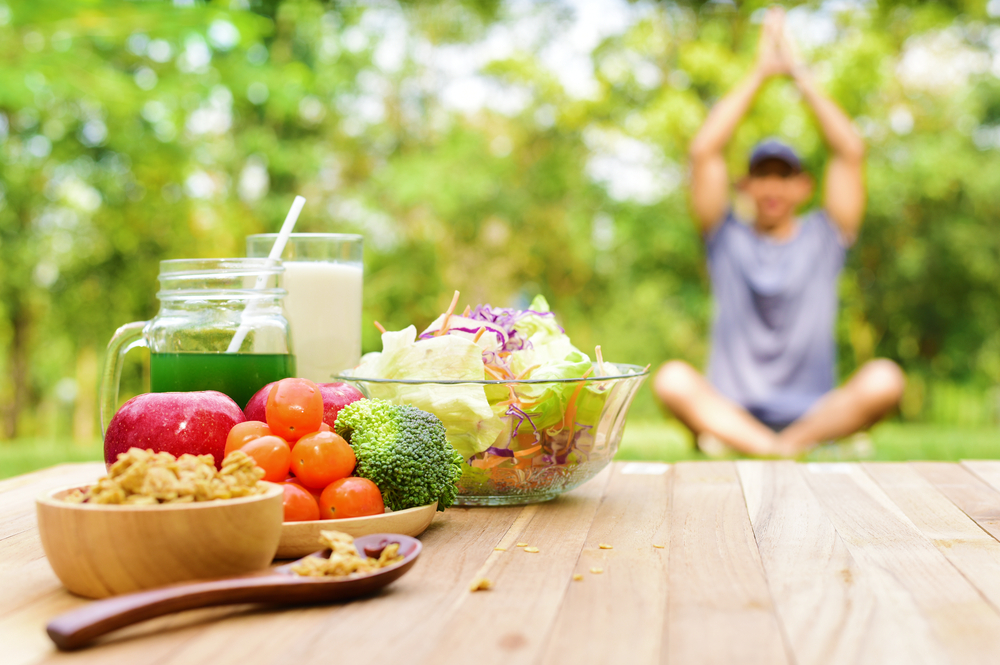
Yoga Before or After Meals: What’s Better? The Ultimate Guide for Your Practice
Namaste, friends!
You know, when you roll out your mat in Rishikesh, the spiritual center of the world, yoga is more than a simple stretch. It’s a delicate dance between your body, your breath, and your energy. However, this is the question that we are asked more than any other: Is it better to do yoga before or after meals?
Apparently, it is a mere logistics question, right? However, the solution really goes to the Ayurvedic knowledge of old, biology of today, and the way to make the most of your daily practice of yoga. Be it a yoga retreat in Rishikesh or on your living room floor, the timing of the practice can make you feel like an eagle flying in the sky or a lead balloon.
Let’s look into the science and the soul of yoga timing.
The Golden Rule: The Empty Stomach Concept
Within the scope of classic Hatha yoga, one can refer to such concepts as Mitahara (moderate diet); however, there is also a very pragmatic principle: Yoga is best practiced with an empty stomach.
But why?
When doing yoga asanas (poses), you are either bending, squashing, or stretching your abdominal area. These motions may interfere with the digestion of a heavy lunch, should your stomach be occupied at the time. Suppose you squeeze a wet sponge full of marbles—it is not comfortable and it may be messy!
How much time to wait?
Wait:–As a rule of thumb applicable in Rishikesh yoga schools, you should wait the following amount of time:
- 3-4 hours following a heavy meal.
- After having a light snack, 1 to 2 hours.
Alternative 1: Morning Flow (Doing Yoga Before Meals)

Also Read: 7 Powerful Yoga Poses to Help You Lose Weight Naturally
To lots of practitioners, it is the holy grail to practice yoga first thing in the morning. At Maa Shakti Yog, morning practice sessions are intentionally designed around this ancient yogic rhythm. We call this the Brahmamuhurta period in India—the favorable time before sunrise when the air is clear and the mind is calm.
The Benefits of Pre-Meal Yoga
- Improved Detoxification: When you work on an empty stomach, your body can devote all its energies to cleaning up inside rather than on digestion.
- Greater Flexibility: You may be stiff initially, but practicing before eating will avoid that heavy feeling, and deeper twists and improved Sun Salutations (Surya Namaskar) will become possible.
- Metabolism Boost: Because movement activates your metabolism (Agni), it is better to start your day with it, as it will efficiently burn calories throughout the day.
- Mental Clarity: There is some lightness that accompanies an empty stomach, making meditation and breathwork (Pranayama) much more effective.
The Verdict
In case you want to lose weight with the help of yoga or immersion into the deeper realm of spirituality, the morning, prior to eating, is the best choice.
Alternative B: Yoga After Meals (The Light Approach)
Now, life happens. Occasionally you may not have time in the morning, or you are just out of a hard day’s work and a brief meal. Does this imply that you are supposed to skip your practice? Not necessarily.
The Dangers of Intense Postprandial Yoga.
When you attempt to do a tough power yoga practice or inversions (such as headstands) immediately after eating, you may feel the following:
- Heartburn or acid reflux.
- Nausea and cramping.
- Begoneness (because your blood goes into your stomach, not into your muscles).
Can you do some yoga after eating?
Yes! As a matter of fact, there is a particular position, which is in fact encouraged following a meal: Vajrasana (Thunderbolt Pose).
Vajrasana is the only yoga pose that is beneficial immediately after eating. This is because sitting on your heels changes the blood flow to the pelvic area and stomach, which, in fact, enhances the digestion and dissolution of gas. When you come to have a visit in an ashram in Rishikesh, you will see students sitting in this position, usually 5-10 minutes after their communal meals.
Science of Digestion and Asana
To get the reasons behind timing, we must first learn something about our blood flow. Our nervous system goes into rest and digest mode when we eat. The digestive tract receives a good supply of blood in the body to help in the breakdown of nutrients.
Whenever we perform vinyasa yoga or any dynamic movement, we activate the so-called fight or flight or active nervous system, which drains blood out of the inner organs and into the muscles.
When you do them both simultaneously, your body is baffled. Your digestive system becomes slow (resulting in bloating), and muscles do not receive the oxygen they require (resulting in fatigue).
Certain timings of various types of yoga
Also Read: 5 Breathing Techniques to Supercharge Your Yoga Practice
Yoga is not created alike. The wait time is subjective to the type of class that you are taking.
1. High-Intensity / Hot Yoga
When performing Ashtanga or Bikram yoga, you cannot do it at all less than 3 hours after a meal. Your heart and lungs have to work to the fullest when it comes to the heat and intensity.
2. Yin Yoga or Restorative Yoga
Their floor-based, slow-paced nature of the practices means that, depending on your post-light meal, you can generally expect to practice approximately 90 minutes after the meal. But watch deep forward folds; they can still press on the stomach.
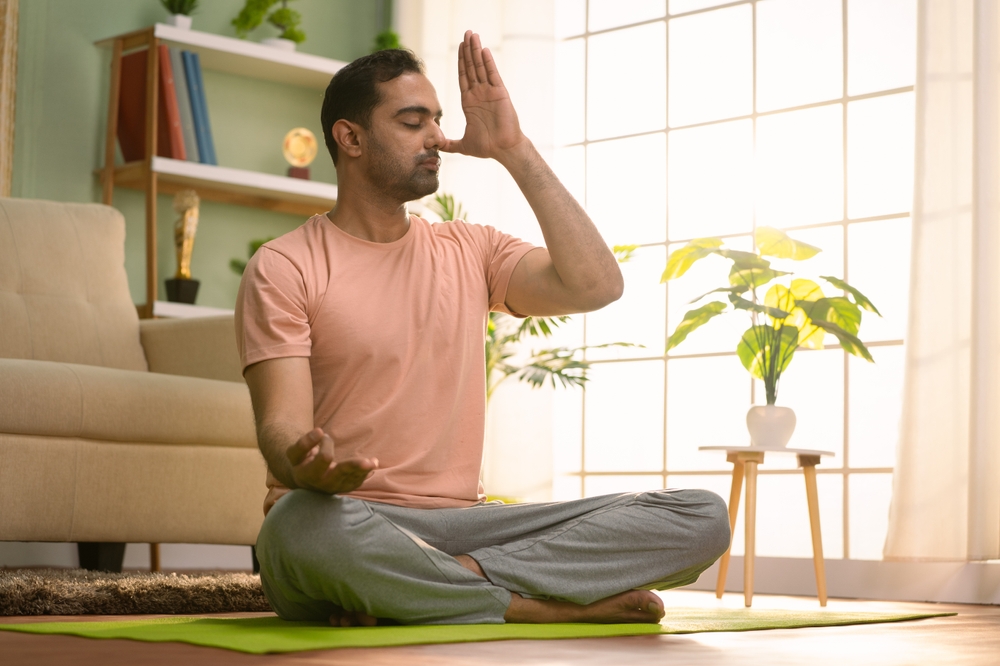
3. Pranayama (Breathing Exercises)
Meditation practices such as Kapalbhati (Skull Shining Breath) require intense movement of the abdomen. These are never to be performed after the meal. Never do Pranayama when there is food in your stomach.
Fueling Your Practice: When to eat and what to eat
If you find that you get “hangry” or dizzy during your morning yoga session, you don’t have to starve! A little bridge snack will do.
- 30-60 Minutes Before Practice:
- Banana (easy to digest potassium).
- One or two almonds or walnuts.
- One of those small toasts with a thin coating of honey.
Post-Yoga Nutrition:
Your body is a sponge after your practice. It is the most appropriate moment to rehydrate and have a balanced meal that is high in protein and complex carbs and to restore your muscles. Imagine a warm bowl of Kitchari (a classic Ayurvedic dish of lentils and rice popular in Rishikesh) or a green smoothie.
Why timing is important to a Rishikesh practice
When you plan to go to Rishikesh to complete a 200-hour yoga teacher training, time becomes a lifestyle. In most of the schools here there is a rigid program:
- 6:00 AM: Herbal Tea / Water.
- 6:15 AM: Shatkarma (Cleansing) and Pranayama.
- 7:00 AM: Morning Asana (on an empty stomach).
- 9:00 AM: Hearty sattvic breakfast.
Adhering to this rhythm synchronizes your body with the natural cycles of the sun, which is a fundamental tenet of yoga in India.
Common Myths Debunked
I can do yoga provided I do not do inversion.
False. Simple standing poses that involve the use of the core also interfere with digestion.
It is all the same: drinking water or eating.
Not quite. Although you must not chug water immediately before a lesson to prevent a sloshing stomach, small amounts of room-temperature water will be alright.
Tips for Success
- Listen to Your Body: All people have a different metabolism. There are those who can take a sandwich and feel good an hour after; then there are those who require a long time.
- Hydrate Early: Try to drink most of your water an hour before you start so you won’t have to stop every half hour to quench thirst (or to pee!).
- Evening Practice: In the evenings, have a heavy lunch about midday and then eat a very light snack (such as fruit) about 4:00 PM, but only when you have a class at 6:00 PM.
Final Thoughts
So, yoga before or after meals? Before is the obvious choice of a safe and effective practice. When you afford your body the freedom to move without the burden of digestion, you open a whole new dimension of lightness and energy that will indeed transform your practice.
But keep in mind that yoga is a self-awareness journey. In case you have time to do only a post-dinner session, then do Vajrasana or very gentle, seated poses. It does not matter most how you present yourself on the mat.
Do you want to further practice within the land of its beginning? Be it to locate the finest yoga school in Rishikesh or even to understand how to include these practices in the comfort of home, continue to listen to your body.
Namaste and good practicing!