The Breath of Fire: Master Kapalbhati with the Right Technique and Precautions
Namaste, dear seekers.
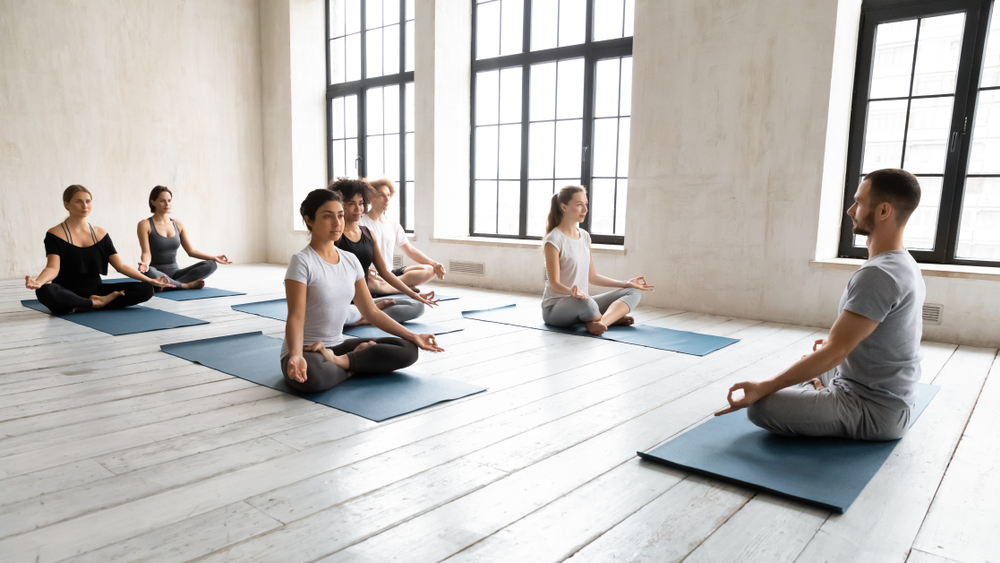
At Maa Shakti Yog, we see yoga as a quiet unfolding—not something you chase, but something you return to. Kapalbhati is one such doorway. When you entered a yoga shala here in Rishikesh, you must have heard a rhythmic and strong sound of puffing in the halls in the early morning hours. It is the voice of Kapalbhati Pranayama, commonly referred to as the Breath of Fire.
Being persons who spend the mornings looking at the mist coming out of the Ganges and the afternoons writing about the science of wellness, we have witnessed how this practice alone can change the energy of a person. We have also witnessed several apprentices and frequenters find it hard with the trick.
Today, we are going to have a virtual tea and discuss the way to approach Kapalbhati. We are not after a kind of workout for the lungs; we are after that radiant skull effect, which gives the name to this practice.
What is Kapalbhati? (More Than Just Breathing)
“Kapal” is translated to mean “forehead” or “skull,” and “bhati” is translated to mean “shining” or “illuminating” in Sanskrit. Kapalbhati is not traditionally a pranayama (breathing exercise), and it is listed among the Shatkarmas, the six methods of purification, in the Hatha Yoga Pradipika.
It mainly aims at cleansing the frontal brain, nostril passages, and respiratory system. When properly performed, it removes the cobwebs in your head, and you feel disarmingly sharp, alert, and alive.
The Kaphalbhati: The How-to Guide of the Step-by-Step Guide.
Also Read: Breathe Easy, Live Better: The Power of Pranayama
The thing about Kapalbhati that is beautiful is its rhythm. The biggest error is that of attempting to push the air in. In this exercise, there is active exhalation and passive inhalation.
1. Find Your Base
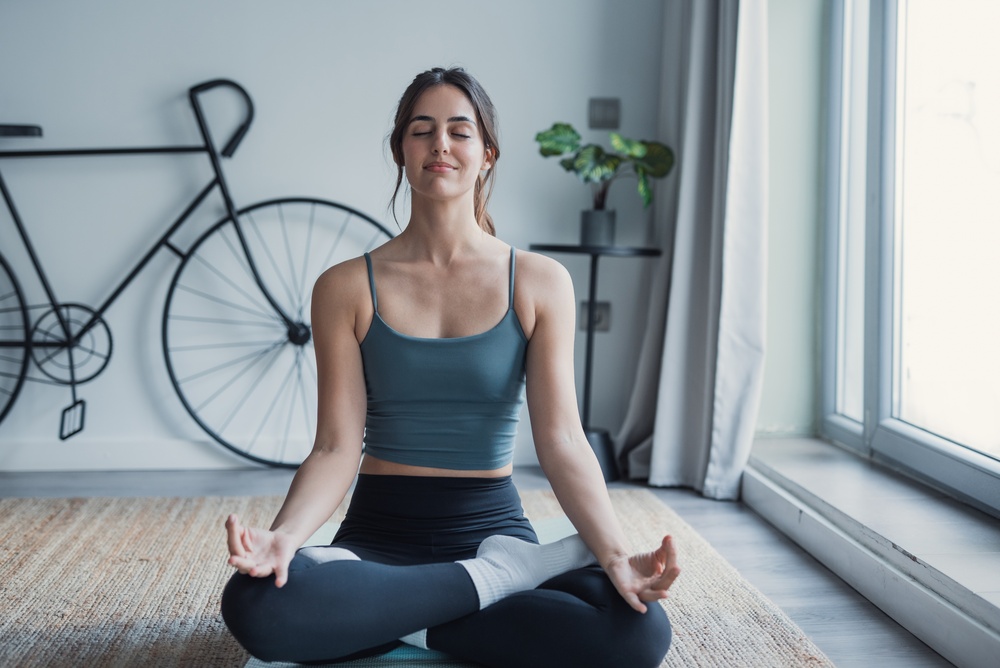
Get yourself in a meditative pose. Padmasana (Lotus Pose), Siddhasana, or Vajrasana is preferable as they hold the spine in the natural position. In case of knee problems, it is alright to sit on a chair with your knees flat to the ground and straight. Jnanaka Mudra (thumb and index finger touching) on your knees.
2. Relax the Face and Body
Relax before you begin by taking a few deep breaths. Relax your shoulders. Soften your jaw. When you have a tight face, you will have a tight breath.
3. The Active Exhale
Breathe deeply to get ready. And now allow the air to blow out between your nostrils, with a sharp bang, by closing your abdominal muscles as though you were giving it a kick. Just like clicking a light switch—just decisive.
4. The Passive Inhale
This is the “secret sauce. ” Just as you have sharply exhaled, relax your stomach. By relaxing the belly, the lungs tend to expand on their own; thus, air is pumped back in naturally. You do not have to take a breath; the air will do that.
5. Establish the Rhythm
- Start slowly. Aim for one stroke per second.
- Exhale: sharp contraction.
- Breathing: automatic relaxation.
- Repeat.
6. The Rounds
We would begin with 3 sets of 20 strokes each as a beginner. Close your eyes between the rounds and experience the silence in your body. You can then add more strokes as you gain more experience, up to 40, 60, or even 100 strokes per round.
The Science: Why Your Body Loves the “Shining Skull.
When we are doing Kapalbhati, we are not merely moving air. We are trading gases at a very fast rate.
- Carbon Dioxide Detox: The aggressive breathing is used to clear the lower lobes of the lungs of stale air and carbon dioxide.
- Abdominal Massage: It is a fast movement of the diaphragm, which massages the stomach, liver, and pancreatic organs. This is the reason why it is pitched as a miracle of digestion and metabolism.
- Brain Oxygenation: It is the rhythmic pressure variations that are causing the blood to flow to the brain, and that is where that clarity of mind comes in.
Critical Contraindications: Contraindications to Kapalbhati.
Yoga is not about beating your body but listening to your body. Kapalbhati is an intense, “hot” workout, and therefore, not everyone can do it all the time.
Avoid Kapalbhati if you have:
- High Blood Pressure or Heart Disease: The intense character of the breathing may cause excessive load on the cardiovascular system.
- Hernia/Recent Abdominal Surgery: Hernia is aggravated by the severe contractions of the stomach.
- Pregnancy: When pregnant, we are working on the cooling and calming breaths. Kapalbhati should not be employed at all with the force of the abdominal movement.
- Along the period: A lot of practitioners believe that the warmth and strain of Kapalbhati may enhance cramps or flow. At this period, it is preferable to remain in Anulom Vilom (alternate nostril breathing).
- Glaucoma or Eye Pressure: The internal pressure formed on exhaling can be harmful to eye disorders in a person.
- Pro Tip: Kapalbhati should always be practiced on an empty stomach. We suggest that it should not be taken any sooner than 3-4 hours after a heavy meal. It is what makes it the ideal ritual of the sunrise.
Top Critical Errors (and the ways to correct them).
We witness these three instances of “oops” everywhere, even in the yoga capital of the world:
- Shoulder movement: Your shoulders must not be going back and forth. When they are, you are working your chest muscles rather than your diaphragm. Keep the upper body in position, but the belly should move only.
- Pulling the Squeezer: It is common to squeeze the face by squinting or wrinkling the nose during the exhale. This evokes the fight-or-flight reaction. Keep your countenance as calm as a Buddha.
- Forced Inhalation: Gasping for air will tell you you are moving too fast, or you are not relaxing your belly. Slow down. Quality over quantity.
Making the Rishikesh Energy Practice Your Energy.

Also Read: Mantras and Chanting in Yoga: A Deep Dive
You may be sitting in a living room in London or in an office in Delhi, and nevertheless, you can access the traditional essence of this practice. Prana—breath is life force in the Vedic tradition. When you do Kapalbhati, think that you are blowing the dust off a mirror. The mirror is your mind.
The Best Time to Practice
The gold standard is the Brahma Muhurta (time of the creator); it is approximately 1:30 hours before the sun rises. The air is clean, the world is silent, and your inner drive is the most open.
Final Thoughts
Yoga is not a competition of who can do 500 strokes of Kapalbhati first. It is a dialogue of your mind and body. Start where you are. In case you can merely complete 10 strokes without any difficulties, then complete 10 strokes with a hundred percent awareness.
The shining skull is not merely a physical image; it is a state of being. It is that lightness of thinking that one feels when he has shed the burden of stress that was holding him back.
Continue breathing, continue shining, and we will see you on the mat!